Home Energy Efficiency Improvements That Complement Solar Power
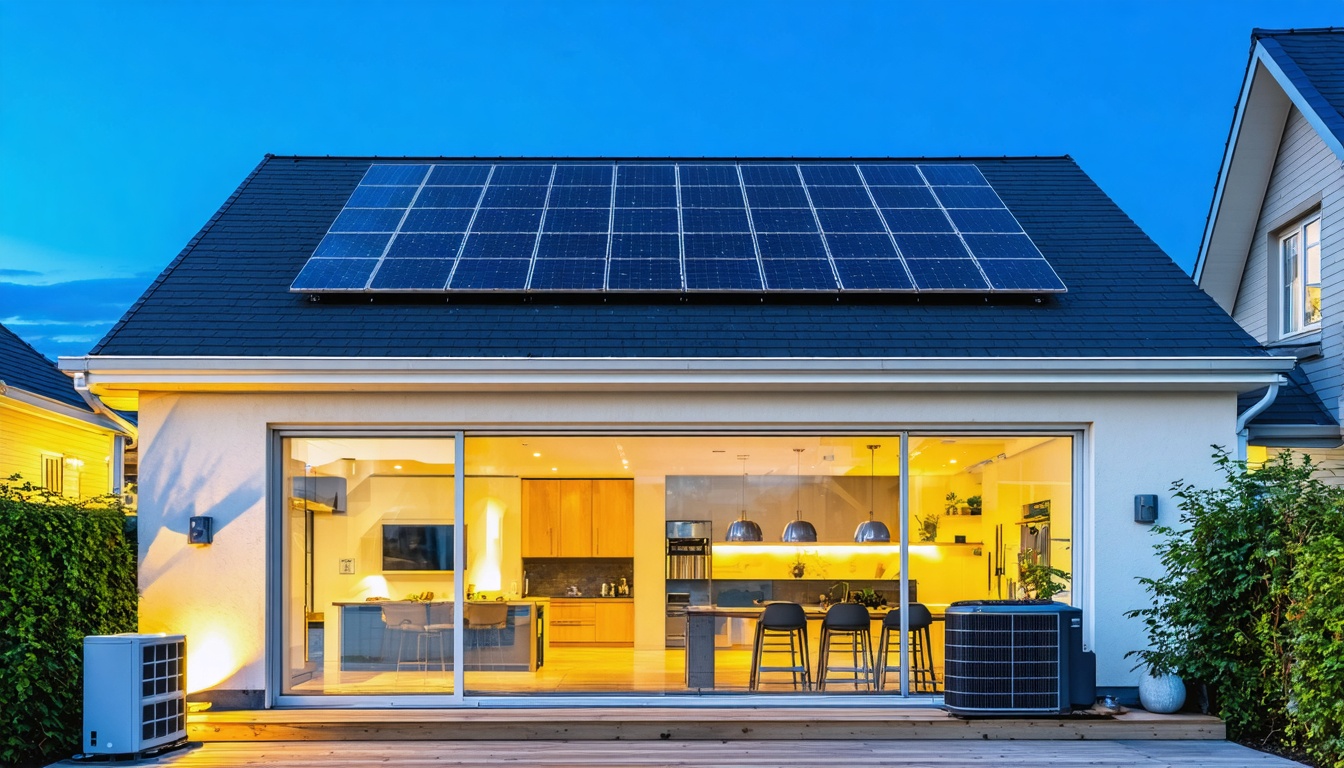
To optimize your investment in solar energy, it is important to evaluate the energy efficiency of your home. Upgrading certain aspects of your home can yield significant benefits when combined with solar power. For instance, enhancing insulation can reduce the amount of energy required for heating and cooling, thus leading to lower overall energy consumption. Similarly, replacing old appliances with energy-efficient models can lead to reduced electricity usage, further complementing solar energy systems. Research indicates that energy-efficient homes tend to maximize the benefits of solar installations, as less energy is needed from the grid. Essential upgrades may include sealing gaps and cracks, improving window and door efficiency, and utilizing energy-efficient lighting. By focusing on these improvements, homeowners can ensure that they are not only generating energy through solar panels but are also utilizing it efficiently. Before implementing any upgrades, it is advisable to conduct an energy audit to identify specific areas where improvements can make the most impact. This approach helps in prioritizing investments that can lead to significant reductions in energy bills and enhances the overall effectiveness of a solar power system.
Understanding the Role of Energy Efficiency in Residential Solar
When evaluating the installation of solar power systems in residential settings, it is essential to consider the influence of energy efficiency on the effectiveness of these systems. Improving energy efficiency before or concurrently with the adoption of solar technology can enhance overall returns on investment. Common energy efficiency improvements include sealing air leaks, upgrading insulation, and installing energy-efficient appliances, such as heat pumps and modern water heaters.
Moreover, the integration of smart technologies, like programmable thermostats, along with upgrades to energy-efficient windows and doors, can further reduce heat loss and electricity consumption. These enhancements not only decrease energy costs but also contribute to environmental sustainability by reducing a household's carbon footprint.
Data shows that homeowners in New York and across the United States are increasingly investing in energy efficiency measures. This trend reflects a growing understanding of the benefits of energy conservation, which include increased indoor comfort and improved utilization of solar energy. Homeowners considering solar panel systems may find it beneficial to consult with solar panel installers in Charlotte, North Carolina for tailored solutions and expert guidance.
By prioritizing energy efficiency, homeowners can optimize the performance of solar power systems, thereby aligning their economic interests with environmental objectives.
Financial Incentives for Energy Efficient Home Upgrades
Financial incentives for energy-efficient upgrades in residential properties serve to mitigate the cost implications associated with these investments. The federal government provides several tax credits, most notably a 30% tax deduction for the installation of solar panels, which can help to lower initial expenditures for homeowners.
In addition to federal tax incentives, various programs such as the Comfort Home initiative and the Green Bank offer supplementary financial assistance for energy efficiency measures. These initiatives support improvements including the installation of heat pumps, smart thermostats, and energy-efficient appliances, all of which aim to enhance energy conservation and reduce utility costs.
Upgrades like window replacements, the addition of storm protection, and improvements to water heating systems contribute to lower electricity bills and decreased thermal loss in residences. Furthermore, these enhancements can potentially increase property value, which may provide an economic advantage for homeowners.
Such incentives are particularly relevant in areas like New York, where there is a recognized demand for the adoption of renewable energy solutions and sustainability practices. By utilizing these financial programs, homeowners can align with regulatory requirements while also supporting wider environmental objectives.
Air Sealing and Insulation Strategies
While solar panels offer a viable source of clean electricity, it is advisable to prioritize addressing air leakage and inadequate insulation in your home to maximize your investment. Improving air sealing and insulation can result in a reduction of energy consumption by approximately 10% for both residential and commercial buildings in New York and throughout the United States.
Common enhancement strategies include sealing gaps using weatherstripping and caulking, as well as increasing insulation in attics and walls. These modifications not only contribute to stabilizing indoor temperatures but also enhance indoor air quality and can lead to lower electricity bills.
When combined with solar panels, these energy efficiency upgrades may allow for a smaller-scale solar system, as well as the potential to downsize on water heaters, heat pumps, or other appliances. This can result in both financial savings and a reduced carbon footprint, creating a more sustainable energy profile for the property.
Selecting Energy Efficient Doors and Windows
Selecting energy-efficient doors and windows can enhance a home's energy performance. Upgrading to double-pane, low-emissivity (low-e) windows, along with fiberglass or composite doors, can reduce heat transfer, leading to lower energy consumption and reduced utility costs.
Homeowners should consider the National Fenestration Rating Council (NFRC) ratings when selecting these products. These ratings offer standardized metrics for thermal performance that are relevant to New York's climate conditions, helping homeowners identify high-performance options that are compatible with state energy efficiency programs.
Recent developments in door and window technology include adjustable thresholds that improve air sealing and insulation. Financial incentives available through programs offered by Green Bank may help New Yorkers cover initial upgrade costs, enhancing both the economic and environmental sustainability of their homes.
Energy efficiency upgrades may also complement solar panel installations, promoting sustainable energy practices. Implementing these improvements can improve indoor air quality and reduce reliance on fossil fuels, contributing to broader efforts in climate change mitigation.
Water Heating Technologies for Reduced Energy Consumption
Efficient water heating technologies can lead to notable energy savings and improve the performance of solar power systems in residential environments. A viable option for reducing electricity costs and dependency on fossil fuels is the installation of heat pump water heaters. These systems function by transferring heat rather than directly generating it, which enhances their energy efficiency.
In conjunction with heat pump water heaters, the use of low-flow fixtures can further diminish both water and energy use. This practice not only contributes to conservation efforts but also supports improved indoor air quality.
Residents in New York may have access to various programs and incentives that can assist in offsetting the costs of upgrading to these more efficient systems, potentially making them more affordable.
Recent developments in water heater technologies offer homeowners the potential to increase property value while meeting current requirements for water heating and reducing carbon emissions. Moreover, when combined with solar panel installations, these technologies can maximize energy utilization and provide avenues for cost savings.
Efficient Cooking Methods and Appliance Upgrades
Upgrading kitchen appliances and adopting efficient cooking methods can result in notable reductions in household energy consumption. Energy Star® certified appliances, induction stoves, and efficient cookware are significant components of energy-saving initiatives available in New York and throughout the United States.
Induction stoves and pressure cookers offer advantages over traditional fossil fuel-based models, especially in solar-powered homes and businesses, where the adoption of renewable energy can enhance energy efficiency.
Heat Pump Water Heaters are also significant, with potential savings ranging from $200 to $550 annually in energy costs, while contributing to overall home energy efficiency.
These upgrades can lead to decreased utility bills and a reduced carbon footprint. Additionally, investing in such appliances not only has the potential for financial savings but also aligns with environmental protection and sustainability objectives.
The implementation of these technologies plays a role in advancing energy efficiency standards and reducing reliance on non-renewable energy sources.
Sustainable Bathroom Fixtures for Water and Energy Savings
The bathroom is often overlooked when it comes to energy efficiency upgrades, whereas it offers several opportunities to reduce both water and energy usage. The installation of low-flow toilets, WaterSense certified faucets, and high-efficiency showerheads can result in measurable reductions in water consumption and associated energy costs.
These improvements are notably effective when paired with other energy-efficient technologies, such as solar panel systems.
In addition, enhancements like proper insulation and air sealing play a critical role in enhancing energy efficiency by reducing heat loss within the home. This contributes to a more stable indoor climate, ultimately supporting sustainable living initiatives.
Such measures can lead to cost reductions for homeowners, particularly in regions like New York and across the United States.
Implementing these upgrades allows property owners to lower their environmental impact while potentially increasing their properties' market value.
Moreover, updated bathroom fixtures can improve indoor air quality, a key factor in residential health and comfort. This approach serves not only economic interests but also aligns with broader environmental goals by facilitating more sustainable living practices.
Residential Solar System Trends and Planning
Residential solar systems are increasingly influencing energy management practices within homes. In 2023, the United States experienced the installation of over 32 gigawatts of solar capacity, indicating a marked shift towards renewable energy utilization. Employing solar energy can help decrease electricity costs and reduce carbon emissions.
Combining efficient solar panels with home improvements such as upgraded windows, heat pumps, and water heaters can improve the sustainability of residential energy consumption. Homeowners may also take advantage of various financial incentives, including state programs, federal tax credits, and initiatives like Green Bank, which aim to support the transition to solar energy.
A home energy audit serves as a practical initial step in identifying potential enhancements for energy efficiency. The integration of smart thermostats, energy-efficient appliances, and effective insulation is crucial for optimizing the advantages of solar installation.
These improvements not only enhance property value but also contribute to a more comfortable living environment and better indoor air quality.
In summary, the trend towards residential solar systems highlights a systematic approach to energy management and promotes environmental responsibility.
Pairing Energy Efficiency with Solar for Optimal Performance
Integrating energy efficiency upgrades with solar energy systems can improve the performance and overall value of your investment. Upgrading key components such as windows, appliances, and implementing advanced technologies like heat pumps or smart thermostats can significantly reduce electric and energy demands. This reduction can lead to decreased utility bills and may allow for the installation of smaller solar panel systems, as the energy generated can more effectively align with lowered consumption levels.
Investing in efficient technologies, such as Heat Pump Water Heaters, can help minimize heat loss and enhance indoor air quality, which is particularly beneficial for homeowners in regions with distinct seasonal changes like New York.
Recent policy developments have introduced various incentives and tax benefits for implementing these sustainable improvements. Additionally, initiatives from Green Banks are designed to assist both residential and commercial properties in their energy efficiency projects.
Optimizing energy use in conjunction with solar power can also reduce dependence on fossil fuels, which contributes to a lower carbon footprint. This combined approach to energy management offers potential financial benefits and aligns with growing efforts towards environmental sustainability.
Conclusion
Improving home energy efficiency can significantly enhance the performance and effectiveness of a solar power system. Key upgrades include enhancing insulation to reduce heat loss, installing energy-efficient windows to minimize energy consumption, and investing in modern, high-efficiency appliances that use less electricity. These improvements can complement solar power by reducing overall energy demand, allowing homeowners to maximize their solar energy production and consumption. Additionally, government incentives are available in many regions to help offset the initial costs of upgrades, making these investments more accessible. The integration of smart technology can facilitate better monitoring and control of energy usage, further optimizing the benefits of solar installations. The combination of these energy efficiency measures results in lower energy bills, increased home comfort, and potential increases in property value. By strategically approaching home energy efficiency in conjunction with solar energy, homeowners can achieve greater energy independence and realize a more favorable return on their solar investments.